Space planning forms the foundation of effective umbrella implementation. Users must carefully measure their outdoor areas, considering furniture arrangements, walkways, activity zones, and any fixed features. The goal is to provide optimal coverage without creating congestion or interference with movement. Many users create detailed layout diagrams that map umbrella positions relative to other elements.
The creation of fiberglass umbrellas involves several precise steps that combine traditional craftsmanship with modern manufacturing techniques. The process begins with the production of the fiberglass components themselves.
Installation options for Grosfillex umbrellas provide flexibility for different settings. Free-standing models with weighted bases work well for situations where portability matters. Fixed installations using in-ground mounts or deck attachments provide greater stability for windy locations. Some commercial installations incorporate these umbrellas into custom-designed spaces with specialized mounting systems. The variety of installation methods ensures that users can find appropriate solutions for their specific circumstances.

The manufacturing process itself also influences the environmental impact of wooden outdoor furniture. Traditional woodworking methods that rely on human skill rather than energy-intensive machinery generally have a lower carbon footprint, though they may result in higher prices due to the labor involved. The finishes and adhesives used in furniture construction matter as well, with water-based and low-VOC products offering healthier alternatives to traditional chemical-heavy formulations. Some manufacturers have embraced closed-loop production systems where waste wood becomes fuel for kilns or raw material for smaller accessories, minimizing the resources that leave the production cycle as waste.
Environmental considerations favor responsibly harvested oak. Many manufacturers now use oak from certified sustainable forests where harvesting practices maintain forest health and biodiversity. Oak grows relatively quickly compared to some tropical hardwoods, making it a more renewable choice when sourced responsibly. The exceptional durability of oak also means fewer replacements and less waste over time.
Sunbrella fabric, developed by Glen Raven, entered the outdoor market as a game-changing solution for awnings and marine applications. Before this innovation, outdoor fabrics typically suffered from rapid fading, mildew issues, and limited lifespan. Early solutions often relied on cotton or inferior NARDI OMEGA CHAISE synthetics that could not withstand prolonged exposure to sun and moisture.
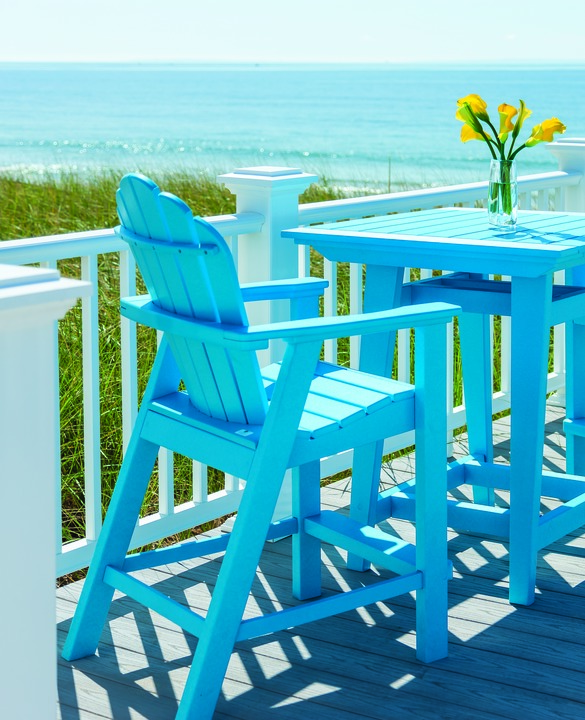
When considering the placement of restaurant umbrellas, it’s essential to think about the layout of the outdoor space. Whether in a garden, by the pool, or on a patio, these umbrellas can be strategically positioned to provide optimal shade coverage. They can also be paired with outdoor furniture such as tables and chairs, creating inviting areas for relaxation and socializing. The integration of restaurant umbrellas into outdoor dining settings can transform an ordinary space into an appealing retreat.