Sunbrella umbrellas come in various designs to meet different needs and aesthetic preferences. Understanding the main types helps users select the right options for their specific requirements.
Fabric sustainability has improved with newer options. Traditional acrylic fabrics like Sunbrella now offer versions made with recycled fibers, while some manufacturers have introduced fabrics made from recycled plastic bottles. These materials maintain performance while reducing virgin resource consumption. Look for fabrics certified by recognized environmental standards to verify claims.
Environmental considerations favor responsibly sourced teak. While tropical hardwood harvesting raises valid concerns, many manufacturers now use certified plantation-grown teak that meets sustainability standards. These plantations provide renewable sources while supporting local economies in teak-growing regions. The exceptional durability of teak also means fewer replacements and less waste over time.
The renewability of managed oak forests addresses concerns about deforestation. Many reputable umbrella manufacturers now source their oak exclusively from certified forests where sustainable harvesting practices ensure new trees replace those cut. Oak forests in North America and Europe are generally well-managed resources with stable or increasing acreage in many regions.
The foundation of Windward umbrellas lies in their unique construction. Utilizing high-quality fiberglass and other innovative materials, these umbrellas are designed to withstand harsh conditions while remaining lightweight and easy to handle. The interplay of strength and flexibility in the materials allows for a structure that can endure strong winds, making them suitable for outdoor events, travel, and recreational activities. Unlike traditional umbrellas that may falter in strong gusts, Windward umbrellas maintain their form and functionality, proving to be Grosfillex Furniture Wholesale and Retail a dependable companion in various weather scenarios.
The manufacturing starts with liquid acrylic polymer mixed with pigments to create the desired colors. This colored solution passes through spinnerets to form continuous synthetic fibers that carry the pigment throughout their entire structure. This solution-dyeing process creates the foundation for Sunbrella’s legendary colorfastness.
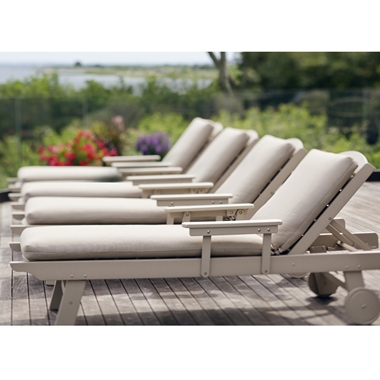
Frame materials must balance durability with weight and aesthetic considerations. Aluminum is a common choice for its corrosion resistance and favorable strength-to-weight ratio. Higher-end options might select stainless steel for its premium appearance and exceptional durability. Wood frames, typically teak or eucalyptus, offer classic aesthetics but require more maintenance over time. Fiberglass components provide excellent flexibility and weight advantages for larger models.