Repairability adds Nardi Libeccio Table significant long-term value. Unlike synthetic materials that typically require complete replacement when damaged, oak components can often be repaired by skilled woodworkers. A cracked rib can be spliced, a worn finish can be renewed, and even substantial damage can sometimes be addressed through traditional woodworking techniques. This repairability extends the useful life of the umbrella and reduces waste.
It is essential to recognize the influence of consumer feedback in shaping the development of Fiberlite umbrellas. Manufacturers often engage with users to gather insights and suggestions, which can lead to improvements in design and functionality. This collaborative approach not only strengthens the bond between producers and consumers but also fosters a culture of continuous improvement within the industry.
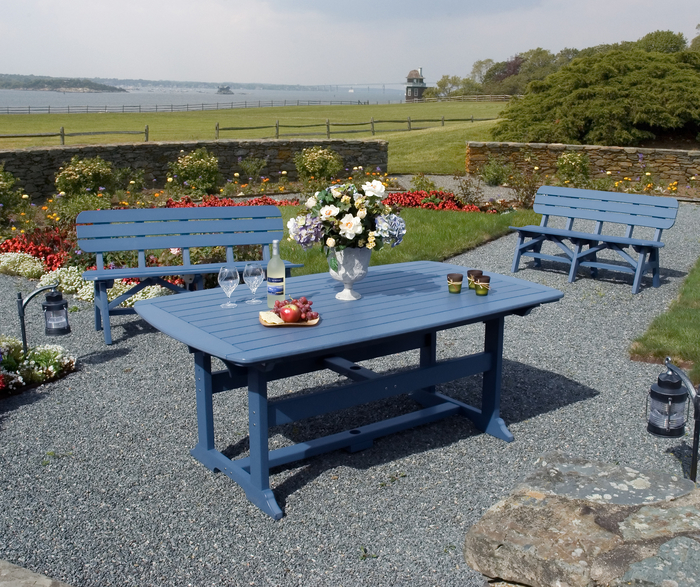
Outdoor spaces have become extensions of our homes, providing additional living areas where we can relax, entertain, and connect with nature. At the heart of these outdoor sanctuaries lies the furniture we choose, which not only defines the functionality of the space but also establishes its aesthetic appeal. Among the various materials available for outdoor furniture, wood stands as perhaps the most timeless and versatile option, offering a natural warmth and character that synthetic alternatives simply cannot match. From the rich, honey tones of teak to the rustic charm of reclaimed barn wood, wooden outdoor furniture brings an organic element to our patios, decks, and gardens that resonates with our innate connection to the natural world.
Mildew and mold resistance represent another major advantage. Unlike natural fibers that retain moisture and promote mildew growth, Sunbrella’s acrylic composition is inherently resistant to these issues. This allows the fabric to withstand rainy conditions and humid environments without developing unsightly and potentially damaging mold spots.
Acacia has also gained popularity in recent years as a material for outdoor furniture, particularly among those seeking a balance between quality and affordability. This tropical hardwood grows abundantly in many regions, making it a relatively sustainable choice when harvested responsibly. Acacia’s natural density and high oil content give it good weather resistance, though it generally requires dining table more maintenance than teak to maintain its appearance and structural integrity over time. The wood features attractive grain patterns and a rich, varied coloration ranging from light amber to deep brown, often with interesting streaks and variations that add character to furniture pieces. Its moderate weight makes acacia furniture substantial enough to withstand winds while remaining manageable to reposition.
Fiberlite is a composite material known for its resilience and resistance to the elements. It is particularly advantageous in outdoor settings where exposure to sunlight, rain, and wind can quickly degrade dining table conventional materials. Umbrellas made from Fiberlite are less likely to warp, crack, or fade, ensuring that they maintain their appearance and functionality over time. This durability translates into cost savings for businesses, as they require less frequent replacement compared to those made from less robust materials.
Cantilever umbrellas offer unobstructed coverage without center poles. These side-mounted designs place the support structure outside the shaded area, eliminating obstacles that interfere with furniture arrangements and movement. This design proves particularly valuable for larger tables or lounge seating where central poles would create awkward divisions. Many feature rotation capabilities that allow dining table tracking the sun throughout the day.